


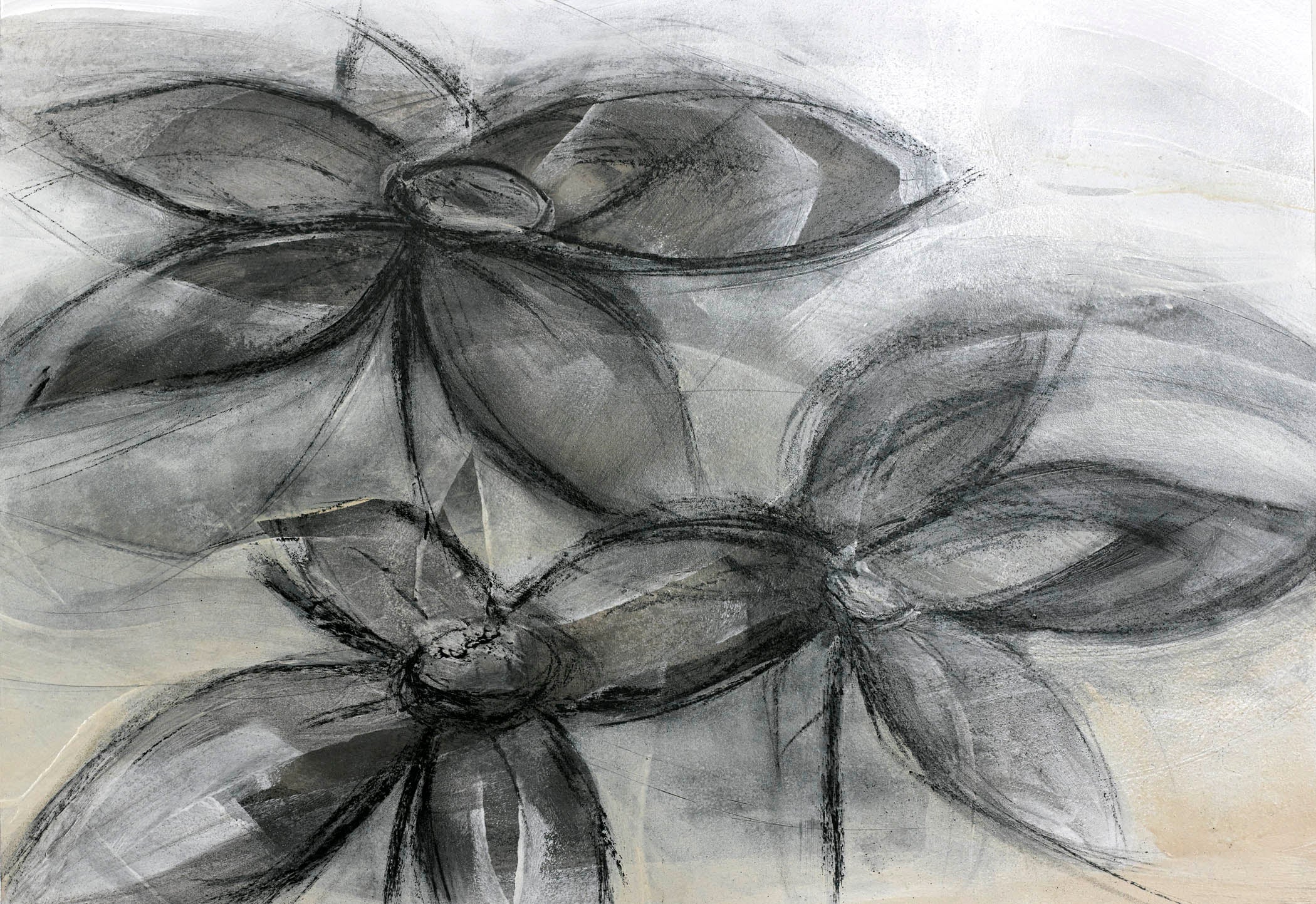
The Art of Intentional Space: A Visual Conversation Across Form, Light, and Restraint
Great interiors don’t happen by accident — they happen by intention. In art and design, every line, pause, and highlight contributes to the way a space feels. Over the past several collections, we’ve explored geometry, stillness, glow, and structure. The Art of Intentional Space brings those ideas together, showing how artworks from Soft Geometry, Negative Space, The Gilded Age, and even Golden Hour share a quiet yet powerful philosophy: that art shapes not just walls, but atmosphere, energy, and emotion.
Structure as Poetry: The Lasting Power of Form
The works within Soft Geometry taught us that structure is not rigid — it’s lyrical. When form becomes intentional, geometry turns into language. Clean lines, balanced proportions, and repeated shapes create visual rhythm, guiding the eye without demanding attention.
In intentional spaces, structure whispers rather than shouts. It holds everything together with calm, deliberate presence, the kind that allows a room to feel centered, grounded, and deeply considered.
The Beauty of What’s Not There
From Negative Space, we learned that emptiness is not empty at all. It’s the breath in the composition, the moment between gestures, the pause that gives everything else meaning.
Intentional space uses restraint as a design tool, offering clarity instead of clutter, stillness instead of noise. By allowing room for air, shadow, and silence, interiors gain depth, calm, and purpose. Ultimately, the space around the art becomes part of the artwork itself.
Light as Material: The Glow That Shapes a Room
Golden Hour and The Gilded Age revealed the emotional impact of light and warmth. Gold tones, luminous surfaces, and soft reflection bring depth to interiors in subtle yet transformative ways.
Intentional light doesn’t overwhelm; it enhances. It creates cohesion between art and architecture, giving the room a feeling of quiet opulence, a glow that feels refined rather than extravagant. When used thoughtfully, warm light becomes both atmosphere and design language.
Where All These Ideas Meet
When form, restraint, and glow converge, a space becomes intentional. The artworks carry structure, the space around them carries balance, and the light that moves across them carries emotion.
Together, they create environments that feel curated rather than decorated, designed rather than arranged. This is the heart of intentional space: a balance of choices that feel effortless, even though they are anything but.
Core Principles of Intentional Space
- Balance — through proportion, geometry, and spatial clarity
- Restraint — thoughtful use of negative space and breathing room
- Warmth — delivered through light, tone, and metallic glow
- Cohesion — art that speaks the same language as the interior
- Presence — art chosen with purpose, not just placement
The Art of Intentional Space reflects what designers already know instinctively: that art is not an addition, it is a foundation. When used with care, it shapes the rhythm, emotion, and identity of a room. And as seen across our recent collections, intention turns every line, every pause, and every glimmer of light into something meaningful.
Share:
The Gilded Age: The Art of Subtle Opulence
Shadowscapes: Art in the Quiet of Contrast