


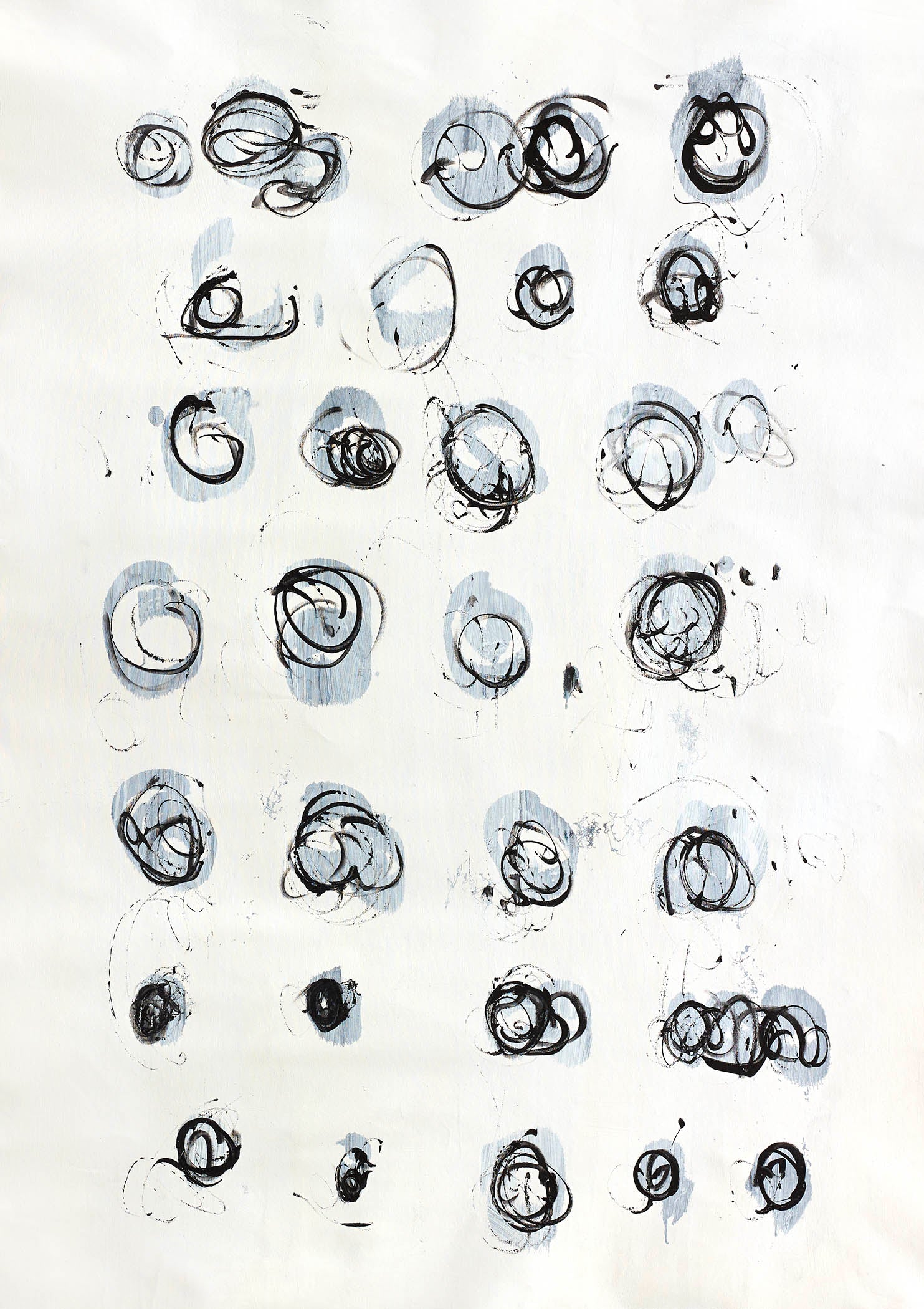
Shadowscapes: Art in the Quiet of Contrast
Some artworks speak through light, however, others speak through shadow. Shadowscapes explores the quiet drama that emerges when artists use contrast not as spectacle, but as atmosphere. In these works, darkness is not an absence; rather, it’s a presence. Soft blacks, muted charcoals, and deep tonal gradients create interiors that feel contemplative, cinematic, and grounded. Ultimately, this is the art of subtle contrast, where silence becomes mood, and shadow becomes design.
Where Light Meets Stillness
Shadows reveal form by concealing it. In many cases, the eye is guided not by what is illuminated, but by what recedes into darkness. Gentle transitions, blurred edges, and tonal layering create a softness that prevents contrast from feeling harsh. As a result, the interplay of light and shadow invites stillness, a pause that makes the space around the artwork feel deeper and more intentional. In this way, shadow becomes a quiet force shaping the viewer’s experience.
The Emotion of Darkness
Dark tones carry emotional weight. They can feel grounding, secure, meditative, or even tender. In Shadowscapes, shadow isn’t dramatic in the theatrical sense, instead, it’s moody in a way that feels human. These artworks embrace the idea that emotion doesn’t always have to be bright or loud; sometimes, it shows up quietly, in the places where color fades into silence. Consequently, the works invite reflection and emotional presence.
Contrast as Design Language
Good contrast doesn’t overpower a room — rather, it structures it. Darker-toned artworks provide anchoring points within interiors, balancing lighter materials, architectural lines, and softer furnishings. Therefore, shadow becomes a tool designers use to create rhythm and grounding. When contrast is used intentionally, it adds depth and sophistication without, importantly, disturbing the calm. In addition, this balance strengthens the overall visual harmony of a space.
Shadows as Atmosphere
Shadow is one of the oldest forms of visual storytelling. Even now, in contemporary art, it becomes a way to guide mood — infusing interiors with mystery, elegance, or introspection. Whether through deep brushwork, monochromatic palettes, or photographic softness, Shadowscapes highlights how artists turn darkness into atmosphere. In turn, this atmosphere shapes the emotional temperature of a room, encouraging viewers to slow down, observe, and feel.
Collection Highlights: Shadow Contrast Art
- Artworks exploring soft contrast and tonal depth
- Pieces using shadow to anchor and balance interiors
- Monochromatic and grayscale compositions with emotional richness
- Abstract works that blend light and dark in quiet harmony
- Visual narratives shaped through mood, silhouette, and subtle darkness
In the end, Shadowscapes celebrates the beauty found in the quiet edges — the places where form fades, light softens, and emotion settles. In essence, contrast is not confrontation; it’s connection. By embracing the power of shadow, designers and collectors can shape interiors that feel thoughtful, atmospheric, and deeply human. Ultimately, these works show how darkness, when used with intention, becomes its own kind of light.


Share:
The Art of Intentional Space: A Visual Conversation Across Form, Light, and Restraint
A Softer Gaze: The Shift in Contemporary Art