


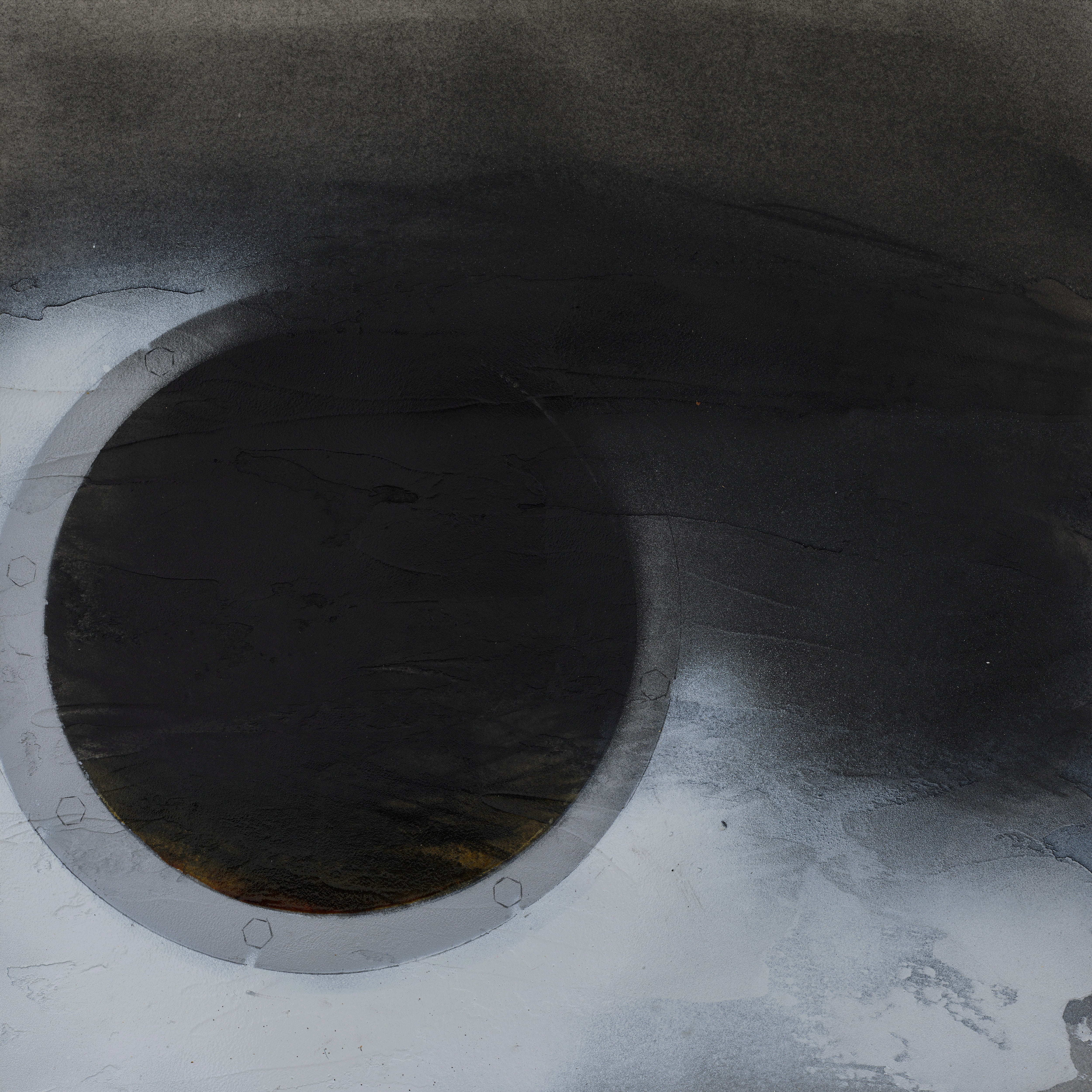
Negative Space: The Power of What’s Not There
Every great composition knows when to pause. In art and design, negative space in art — the area left intentionally untouched — holds as much meaning as what fills it. It’s the breath between shapes, the silence between sounds, the calm between gestures. In contemporary interiors, this concept translates into balance, restraint, and focus. When art embraces emptiness, it creates tension, harmony, and presence all at once.
The Silence That Shapes
Negative space is not absence — it’s structure. Artists use it to define boundaries, guide the eye, and give subjects room to breathe. In the same way, designers use open space to frame architecture, emphasizing what matters by allowing what doesn’t to fall away. This interplay between form and void is where clarity begins.
Emotional Stillness
There’s a kind of peace in restraint. Minimal compositions — whether a single mark on canvas or a sparse, open wall — allow emotion to arrive quietly. They offer a place for the viewer to rest, reflect, and interpret. By using less, the artist gives more: attention, awareness, and meaning.
Design as Dialogue
In interiors, negative space in art functions as conversation. Between furniture, art, and architecture, space becomes language. Too much and it feels cold; too little and it feels crowded. The right balance allows movement and mindfulness to coexist. As seen in Bad Dog Editions, curated collections rely on this principle — pairing strong visuals with breathing room so that every piece can speak clearly.
Seeing the Unseen
What we don’t notice still affects us. Negative space in art works subtly, shaping how we feel within a room or before a canvas. It’s invisible design — guiding the emotional rhythm of experience. Artists and designers who master this equilibrium create not just visuals, but atmospheres that linger long after the first glance.
The Art of Restraint
In the end, negative space in art teaches us something essential: that beauty often lives in what’s left unsaid. It’s a quiet confidence — the belief that impact doesn’t always require intensity. By holding back, both artist and designer invite participation, turning emptiness into possibility.
The Principles of Negative Space in Art
- Balance: Empty areas counterweight visual elements, allowing harmony to emerge.
- Focus: Negative space directs attention, framing what truly matters.
- Emotion: Simplicity invites calm, reflection, and open interpretation.
- Movement: Space gives the eye a path to follow — pauses that create rhythm.
- Proportion: The relationship between filled and unfilled areas builds clarity.
- Restraint: By leaving room for air and light, artists and designers let the work breathe.
Share:
Soft Geometry: Structure in Stillness
The Gilded Age: The Art of Subtle Opulence