


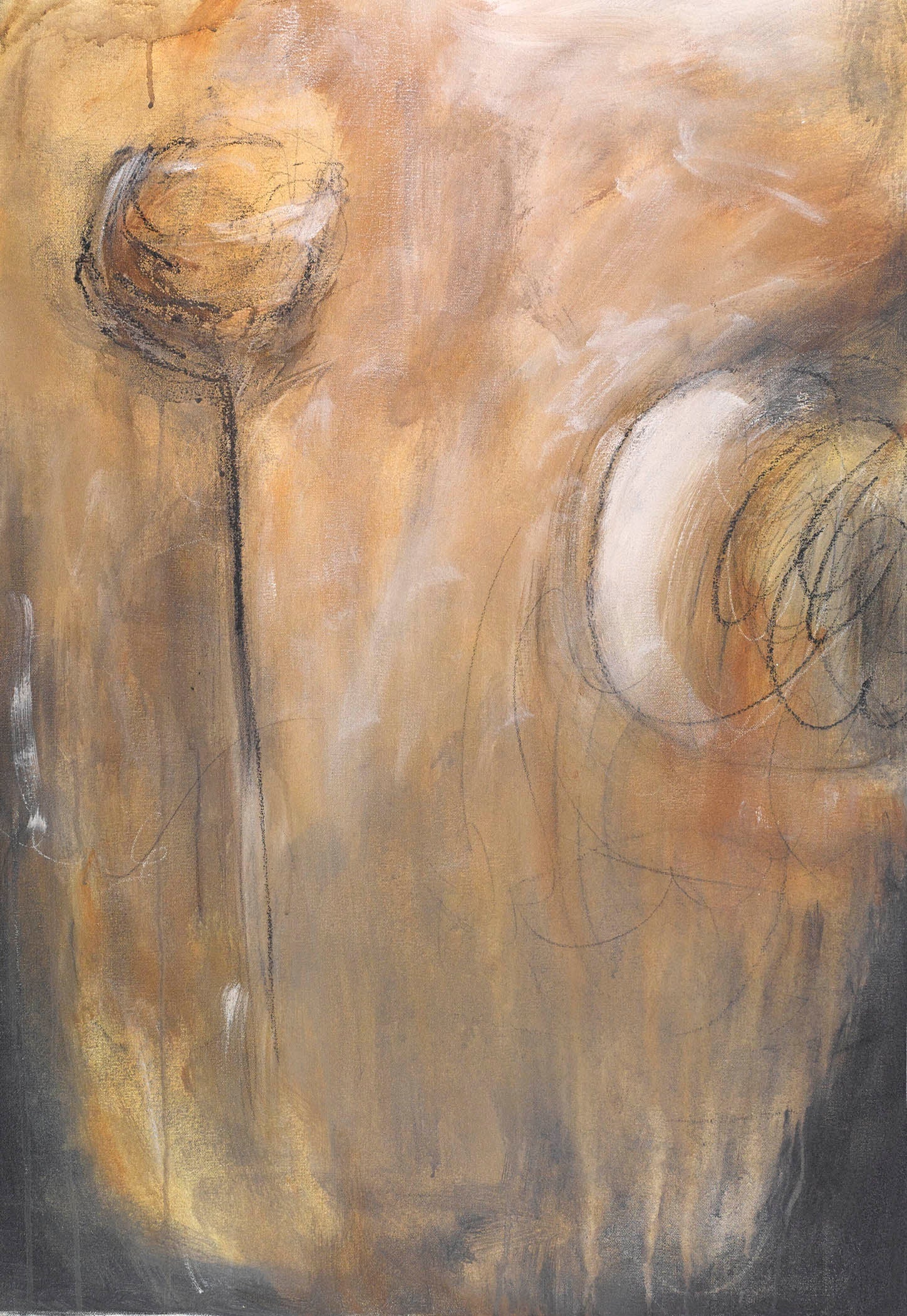
A Softer Gaze: The Shift in Contemporary Art
In recent years, softness in contemporary art has become more prominent. While bold palettes and expressive gestures still have their place, a growing movement leans toward softness — in tone, form, and emotional presence. A Softer Gaze explores why today’s art feels calmer, gentler, and more attuned to atmosphere than ever before. Moreover, this shift isn’t about minimalism alone; rather, it reflects a cultural desire for grounding, clarity, and quiet within an increasingly overstimulated world.
The Rise of Calm in a Loud Era
Artists are responding to a world saturated with noise — visual, digital, and emotional. Therefore, many are choosing restraint over spectacle. Soft gradients, blurred edges, and muted palettes create a sense of exhale, offering viewers a moment of pause. In addition, contemporary art is shifting toward calm not because intensity has vanished, but because stillness has become newly valuable. In this way, softness in contemporary art becomes a form of resistance — a counterbalance to chaos, inviting viewers into a gentler emotional space.
A Return to Restraint
Restraint is not about limitation — it’s about intention. For this reason, contemporary artists are stripping away excess to focus on what truly matters. Negative space becomes structure; reduction becomes clarity. Likewise, this return to thoughtful composition aligns with broader movements in design, where calm environments are associated with wellbeing. As a result, when art chooses restraint, it doesn’t lose power; instead, it gains precision, allowing every gesture to feel deliberate and deeply felt.
Softness as Strength
Contrary to assumption, softness is not fragility. Rather, it can be steady, confident, and grounded. In contemporary work, soft lines, gentle forms, and diffused color often carry emotional weight that boldness alone cannot achieve. In fact, this shift into softness in contemporary art proves that strength doesn’t have to be loud — it can be subtle, introspective, and deeply human. Through softness, artists speak with clarity rather than volume.
Key Ideas Behind the Softness in Contemporary Art
- The appeal of calm in an overstimulated world
- Tone and texture as emotional vocabulary
- Softness as a deliberate, intentional design choice
- The power of restraint in contemporary visual culture
- Art as a grounding presence in interiors
In the end, A Softer Gaze reveals a quiet but meaningful evolution of softness in contemporary art. Through softer tones, gentler transitions, and deliberate restraint, artists are shaping a visual language that mirrors the emotional needs of our time. Ultimately, it’s a shift that honors clarity, presence, and calm — reminding us that softness can be not only beautiful, but profoundly strong.
To explore artworks that embody this softer visual movement, visit our collection at Bad Dog Editions and follow along on Instagram for new releases, studio features, and curated edits that reflect this evolving aesthetic.
Share:
Shadowscapes: Art in the Quiet of Contrast
Winter Stillness: Embracing Quiet Form and Soft Light in Winter