


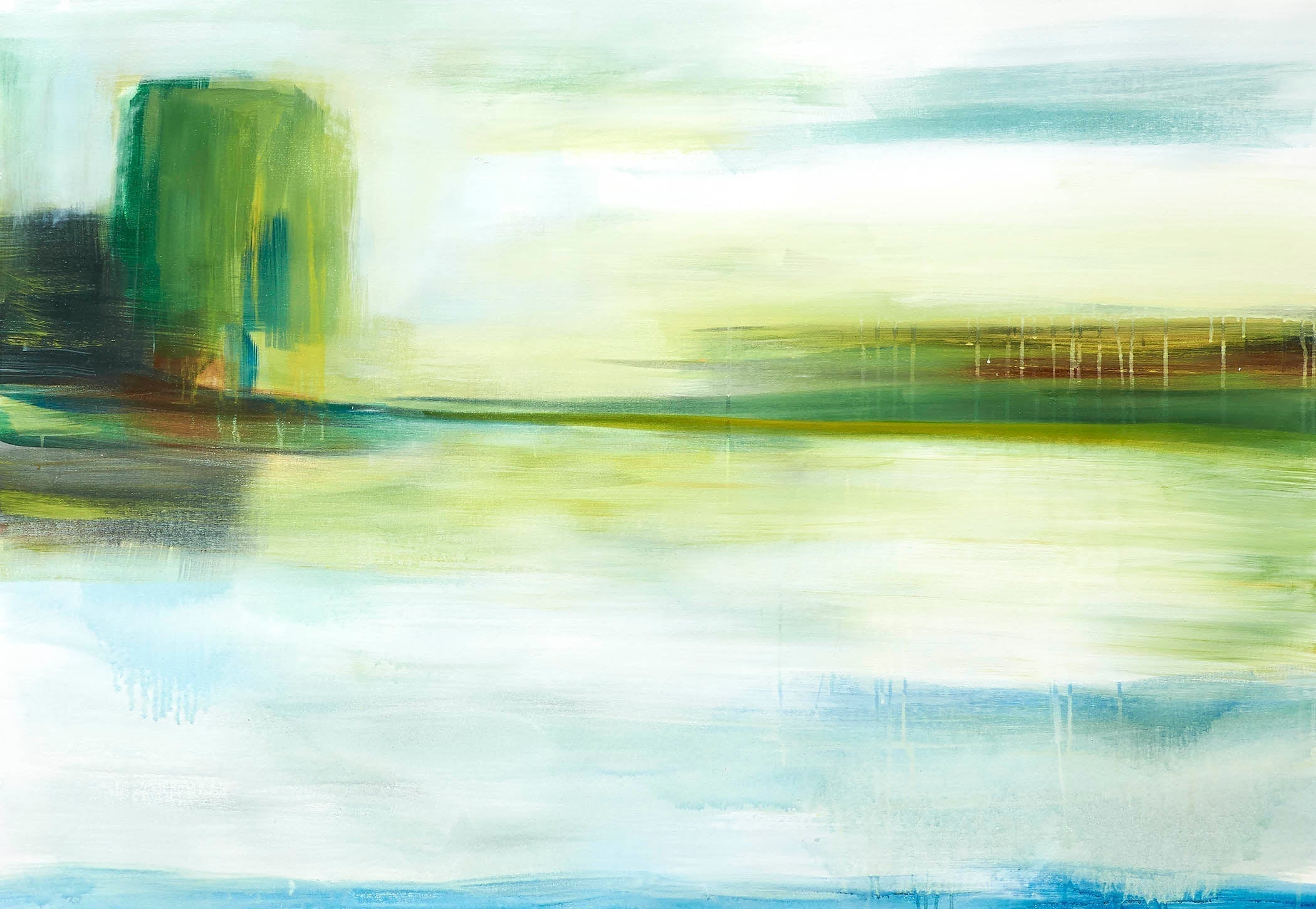
Reflections: Light, Depth, and the Art of Seeing
Reflection is both visual and emotional. It captures what is present while suggesting something beyond it — a second layer, a quiet echo, a shift in perspective. In contemporary art, reflective artwork becomes more than a surface effect; it becomes a way of seeing. Reflections: Light, Depth, and the Art of Seeing brings together works that explore this duality, using light, repetition, and subtle distortion to create depth and atmosphere.
Rather than presenting a single image, reflective artwork invites interpretation. It changes depending on angle, light, and context. As a result, the viewer becomes part of the experience, engaging with the work in a more dynamic and personal way.
Light as a Reflective Force
Light plays a defining role in reflection. It shapes how surfaces interact, how depth is perceived, and how movement is suggested. In many cases, reflective artwork does not simply depict light — it responds to it.
Through gloss, layering, and tonal variation, artists create surfaces that interact with their environment. Consequently, the artwork evolves throughout the day, shifting subtly as light moves across it. This quality introduces a sense of quiet motion, even within still compositions.
Layers and Depth
Reflection often creates the illusion of space within space. Whether through mirrored imagery, overlapping forms, or soft duplication, reflective artwork builds depth without adding visual weight. Instead, it relies on subtle layering to draw the eye inward.
In this way, reflection becomes a tool for complexity. What appears simple at first glance often reveals additional dimensions upon closer viewing. Therefore, reflective artwork encourages a slower, more engaged experience.
Distortion and Perspective
Not all reflections are clear. In fact, many of the most compelling works introduce distortion — blurred edges, fragmented forms, or unexpected repetition. Rather than presenting reality as it is, these pieces reinterpret it.
This shift in perspective allows reflection to move beyond realism and into abstraction. As a result, the viewer is invited to question what they are seeing, creating a more active relationship with the work.
Reflective Artwork in Interiors
Within interiors, reflective artwork introduces lightness and dimension. It expands space visually, softens architectural lines, and creates a sense of openness. At the same time, it adds subtle complexity, allowing the room to feel layered without becoming crowded.
Furthermore, reflective artwork interacts naturally with its surroundings. It responds to light, movement, and placement, making it particularly dynamic within a living environment. Consequently, it helps create interiors that feel both calm and visually engaging.
Reflective Artwork at a Glance
- Reflective artwork that explores light, layering, and visual depth
- Compositions that shift depending on perspective and environment
- Subtle distortion that adds complexity and intrigue
- Pieces that create openness and dimension within interiors
- A study of reflection as both image and experience
Reflections reveals how art can move beyond surface and into perception. Through light, depth, and shifting perspective, these works create an experience that evolves over time. Rather than offering a fixed image, they invite ongoing engagement — reminding us that the way we see is always changing.
For more inspiration, follow Bad Dog Editions on Instagram.


Share:
Designing With Intuition: When to Trust the Eye Over the Rules
The Art of Editing: Knowing What to Leave Out