
The Art of Editing: Knowing What to Leave Out
Design is often associated with adding, more texture, more color, more objects. However, the most compelling interiors are not defined by what is included, but by what is intentionally left out. In this way, editing in interior design becomes an essential part of the process. It is not about removing for the sake of minimalism, but about refining a space until only what matters remains.
The art of editing requires restraint, clarity, and confidence. Rather than filling every surface, it asks designers to consider how each element contributes to the overall atmosphere. As a result, the space begins to feel more focused, more balanced, and ultimately more meaningful.
Clarity Through Reduction
When too many elements compete for attention, a room can feel visually fragmented. By contrast, thoughtful editing in interior design introduces clarity and cohesion. Each piece has room to exist, allowing the eye to move naturally without distraction.
Importantly, editing in interior design does not remove character — it refines it. By eliminating excess, the remaining elements gain presence. A single artwork becomes more impactful. A material choice feels more intentional. Consequently, the room communicates a stronger and more confident point of view.
The Role of Space
Editing is not only about objects — it is also about space. Negative space, often overlooked, plays a crucial role in shaping how a room is experienced. It provides pause, balance, and visual rhythm.
Furthermore, space allows design to breathe. Without it, even the most carefully selected pieces can feel compressed. When used intentionally, however, empty areas become part of the composition, enhancing rather than diminishing the overall design.
Art as the Anchor When Editing in Interior Design
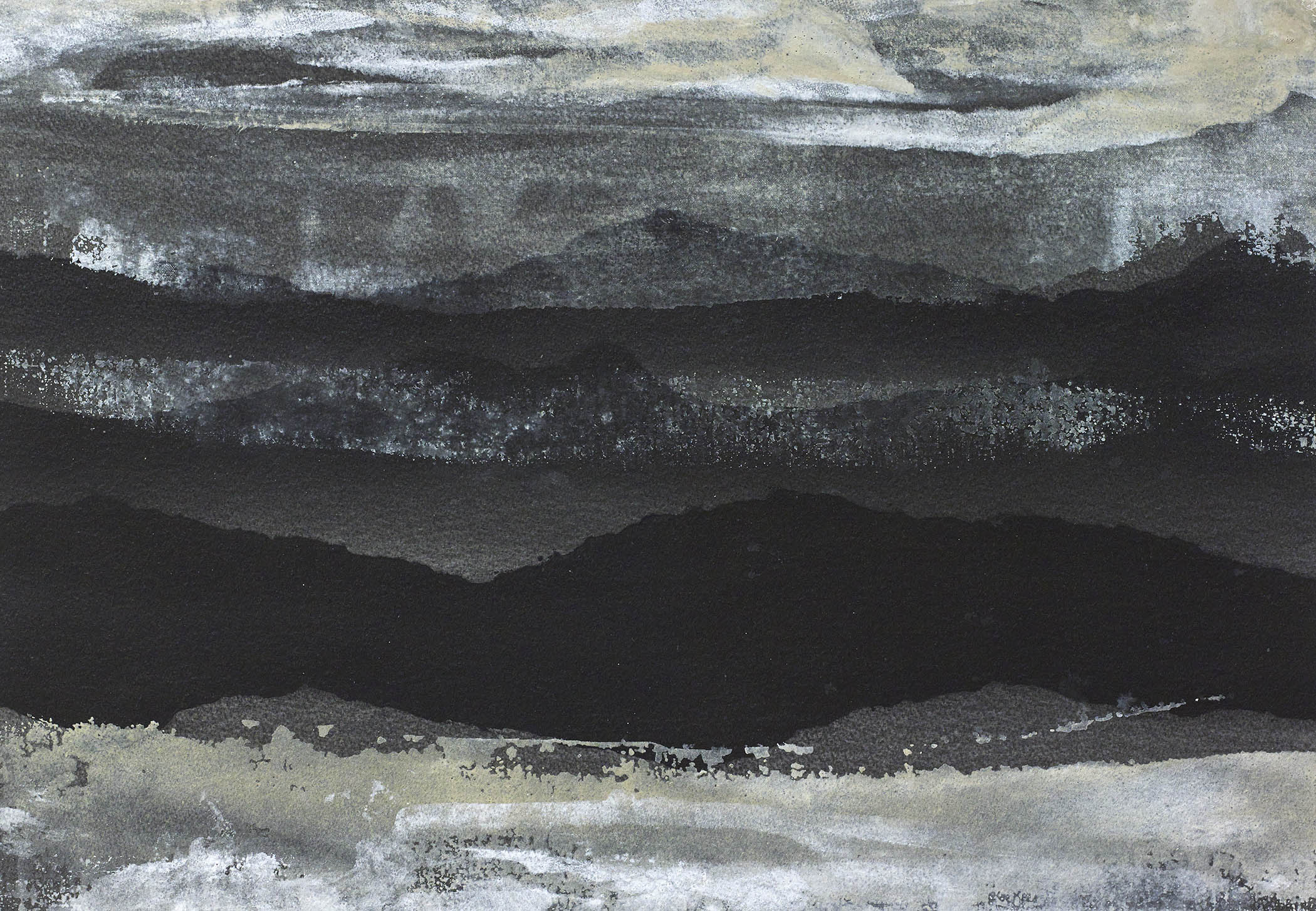
In an edited space, art often carries greater weight. With fewer competing elements, artwork naturally becomes the focal point. It anchors the room, guiding both visual hierarchy and emotional tone.
Therefore, editing in interior design and art selection are deeply connected. Rather than layering multiple decorative objects, designers can rely on a single, meaningful piece to define the space. This approach simplifies the environment while simultaneously strengthening its impact.
Knowing When to Stop
One of the most difficult aspects of editing is recognizing when enough has been removed. There is a fine balance between refinement and emptiness. While overfilling a space can create noise, over-editing can strip it of warmth.
For this reason, editing requires sensitivity. It involves observing how a space feels, not just how it looks. When the room feels balanced, calm, and complete — even without perfection — the editing process has reached its natural conclusion.
What Thoughtful Editing in Interior Design Looks Like
The most successful interiors often reflect a careful balance of presence and restraint:
- Fewer objects, chosen with greater intention
- Clear focal points that guide the eye naturally
- Space that allows each element to breathe
- Artwork that anchors the room emotionally
- A sense of cohesion rather than accumulation
These qualities create spaces that feel refined without feeling empty.
For more inspiration, follow Bad Dog Editions on Instagram.
Share:
Reflections: Light, Depth, and the Art of Seeing
Soft Edges: Where Form Becomes Atmosphere