


Designing With Intuition: When to Trust the Eye Over the Rules
Design is often taught through principles — scale, proportion, balance, and alignment. These guidelines provide structure, helping designers create spaces that feel cohesive and intentional. However, the most compelling interiors rarely follow rules alone. Instead, they rely on something less defined but equally important: intuition.
At its core, intuitive interior design is about knowing when to step beyond guidelines and respond to what feels right. It’s the ability to sense imbalance before measuring it, to adjust a composition based on feeling rather than formula. While rules establish a foundation, intuition ultimately brings a space to life.
The Purpose of Rules
Design rules exist for a reason. They create clarity, prevent visual chaos, and offer a shared language for understanding space. For example, symmetry can create order, while proportion ensures that objects relate harmoniously to one another. In this way, rules act as a framework — a starting point rather than a final destination.
However, when followed too rigidly, these same rules can limit creativity. Spaces may feel correct, but not compelling. They may look balanced, yet lack personality or depth. Consequently, intuitive interior design allows the designer to move beyond structure and respond to the space more organically.
Intuitive Interior Design: Reading the Room
Intuitive interior design often begins with observation. Rather than focusing solely on measurements or layouts, intuitive designers pay attention to how a space feels. They notice how light moves throughout the day, how the eye travels across a room, and where tension or imbalance naturally occurs.
For instance, a perfectly centered arrangement may still feel off, while a slightly asymmetrical composition may feel complete. In these moments, intuitive interior design becomes essential, allowing the designer to respond to the space itself rather than forcing it to conform to a predetermined formula.
Art as an Intuitive Anchor
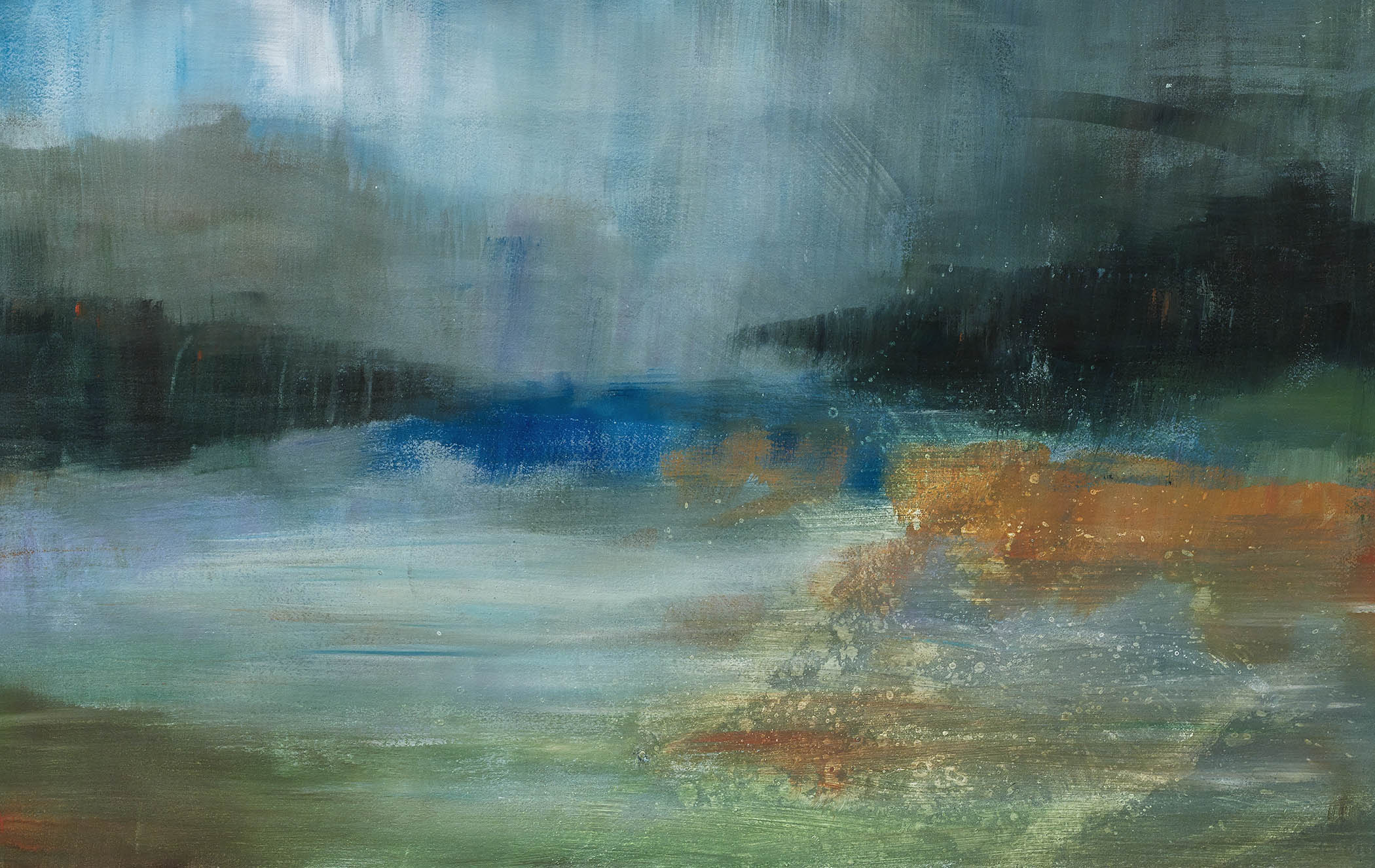
Art plays a particularly important role in intuitive design because it resists strict rules. Unlike furniture placement or architectural layout, artwork invites interpretation. Its impact depends on emotion, context, and personal response.
Therefore, when art is introduced into a space, it often shifts the design process. A piece may suggest a new palette, alter the balance of the room, or redefine the focal point entirely. Rather than adjusting the artwork to fit the space, intuitive interior design allows the space to respond to the artwork.
Knowing When to Let Go in Intuitive Interior Design
Perhaps the most challenging aspect of intuitive design is knowing when to stop refining and start trusting. Over-designing can strip a space of its natural rhythm, replacing ease with rigidity. By contrast, spaces that embrace slight irregularities often feel more authentic and lived in.
In addition, intuitive interior design encourages flexibility. It allows designers to adjust, rearrange, and evolve a space over time rather than locking it into a fixed arrangement.
Signs You Should Trust Your Eye
There are moments when intuition should take the lead:
- When a space feels balanced even if it breaks traditional rules
- When symmetry feels forced rather than natural
- When an unexpected placement creates stronger visual interest
- When art changes the direction of the design
- When the room feels complete, even if it isn’t “perfect”
These signals suggest that the design has moved beyond structure into something more instinctive.
Ultimately, designing with intuition is not about abandoning rules, but about understanding their limits. Structure provides the foundation, but intuition provides the final layer — the one that makes a space feel personal, effortless, and alive. When designers learn to trust their eye as much as their training, interiors move beyond correctness and become something far more meaningful.
For more inspiration, follow Bad Dog Editions on Instagram.
Share:
The Return of Color: Soft Palettes for Spring Interiors
Reflections: Light, Depth, and the Art of Seeing