


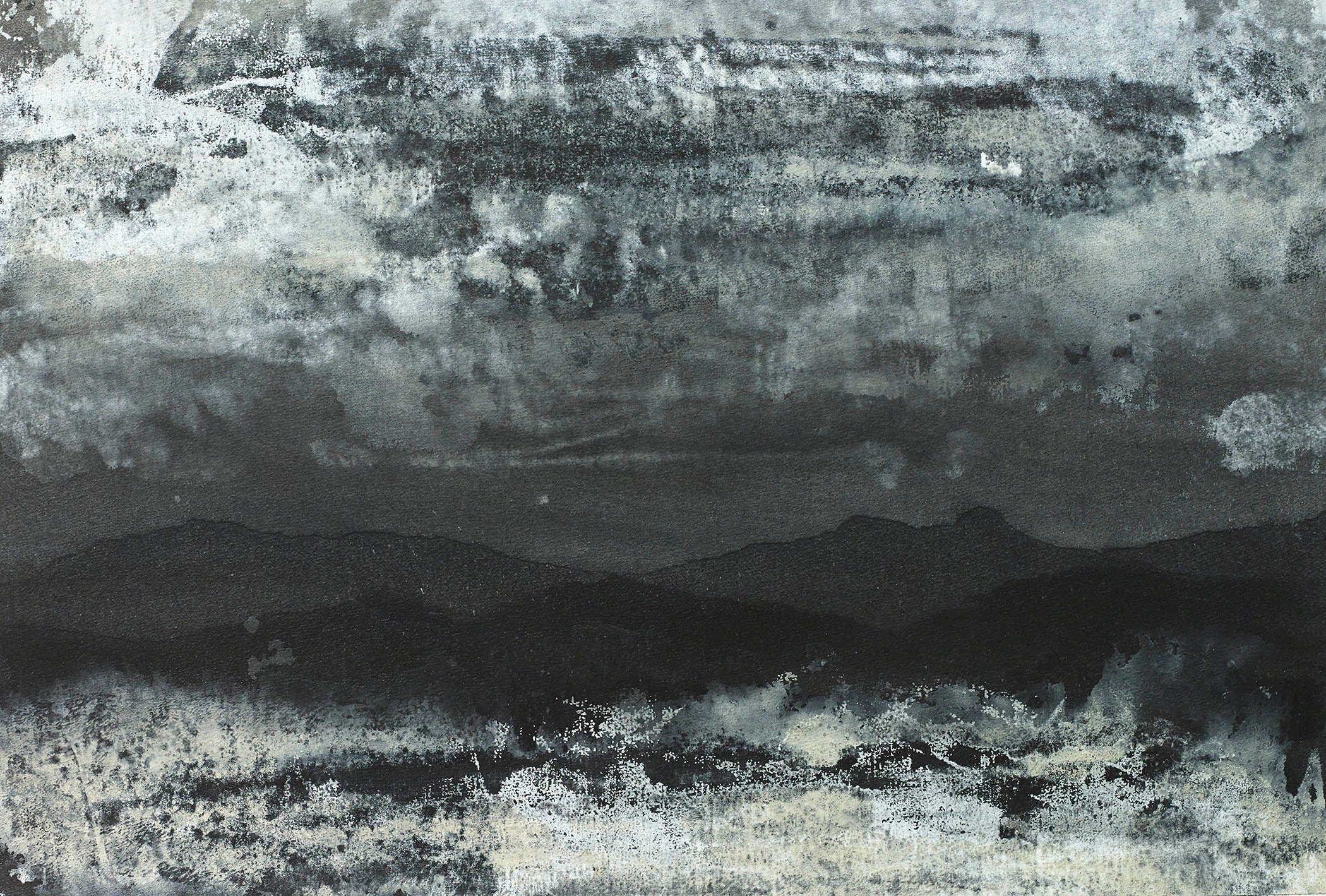
Low Light: Shadow, Depth, and Atmospheric Art
Light often defines how we experience art, yet darkness shapes it just as powerfully. In Low Light, contemporary artworks explore shadow, muted contrast, and tonal depth to create atmosphere that feels quiet, immersive, and emotionally charged. Rather than relying on brightness or intensity, these works use restraint to draw the viewer inward.
Through softened blacks, layered neutrals, deep earth tones, and subtle illumination, the collection reveals how shadow can create clarity rather than concealment. As a result, the artwork feels grounded and contemplative, offering a slower and more intimate viewing experience.
The Power of Shadow
Shadow introduces dimension. It creates visual weight, builds contrast, and allows lighter elements to emerge more intentionally. In many of these works, darkness becomes an active part of the composition rather than simply a background.
Consequently, the artwork develops a stronger sense of depth. Forms appear gradually, textures become more noticeable, and the eye moves more slowly through the image. This pacing creates a quieter relationship between viewer and artwork.
Muted Contrast and Tonal Depth
Rather than using sharp contrast, many low-light compositions rely on tonal variation. Charcoal, deep brown, smoke gray, faded black, and muted ivory shift subtly across the surface, creating movement without disruption.
Because of this, the work feels atmospheric instead of dramatic. The compositions hold tension softly, allowing interiors to feel calm while still carrying emotional depth.
Atmosphere Over Brightness
These works prioritize mood over immediacy. Instead of commanding attention instantly, they reveal themselves gradually through texture, layering, and light interaction. As natural light changes throughout the day, different details emerge, giving the artwork a sense of movement and evolution.
This slower visual experience creates lasting engagement. Rather than exhausting the eye, the artwork invites return.
Low Light in Interiors
Within interiors, low-light artwork anchors a space. Darker tones create structure and stability, while softened contrast prevents the room from feeling heavy. Furthermore, these pieces work especially well alongside natural materials, layered neutrals, and restrained palettes.
By introducing depth without excess, low-light compositions help interiors feel more intentional and emotionally grounded. They create atmosphere quietly, allowing the room to settle rather than compete for attention.
Low Light at a Glance
- Shadow-driven compositions with layered depth
- Muted contrast and restrained tonal palettes
- Artwork that emphasizes atmosphere over intensity
- Pieces that create calm, grounded interiors
- Contemporary works rooted in subtle emotional impact
Low Light explores the quiet power of shadow within contemporary art. Through depth, restraint, and softened contrast, these works create a slower and more atmospheric visual experience. Rather than relying on brightness to create impact, they allow darkness, texture, and subtle light to shape the emotional tone of the space.
For more inspiration, follow Bad Dog Editions on Instagram.


Share:
The Shift From Statement Pieces to Atmospheric Art
Rooms That Reflect: Designing Spaces With Depth