


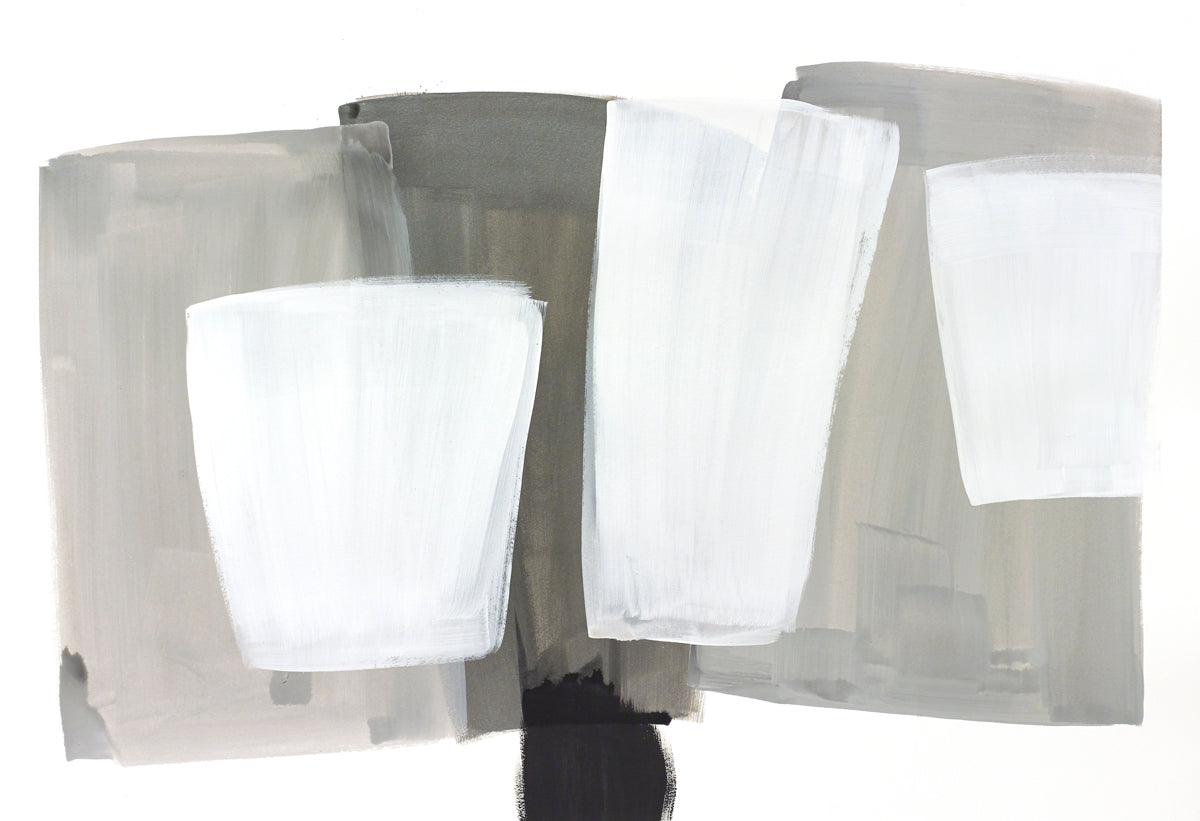
The Shift From Statement Pieces to Atmospheric Art
For years, interiors relied on statement pieces to define a room. Bold artwork, oversized furniture, and dramatic contrasts created immediate impact, often becoming the center of attention within a space. However, design has gradually begun to shift away from intensity and toward atmosphere. Rather than asking art to dominate a room, designers now look for pieces that shape how the space feels.
This transition reflects a broader movement in contemporary interiors. As environments become calmer and more intentional, artwork no longer needs to demand attention to hold presence. Instead, atmospheric art creates mood through tone, texture, softness, and subtle composition. Consequently, spaces feel more cohesive, balanced, and emotionally grounded.
From Impact to Atmosphere
Statement pieces traditionally relied on contrast and scale. They captured attention quickly, creating focal points through bold color, dramatic imagery, or oversized form. While this approach still has a place, many interiors now prioritize longevity over immediacy.
Atmospheric art functions differently. Rather than interrupting a space, it integrates into it. Layered neutrals, softened edges, tonal variation, and quiet movement allow the artwork to influence the environment more gradually. As a result, the room develops depth without feeling visually crowded.
Why the Shift Is Happening
This movement toward atmospheric art reflects changing priorities in design. Increasingly, people want interiors that feel restorative rather than overstimulating. In response, designers have embraced softer palettes, organic materials, and restrained compositions that create a sense of calm.
At the same time, social media and trend cycles have accelerated visual fatigue. Rooms designed only for immediate impact often lose relevance quickly. By contrast, atmospheric artwork sustains attention over time because it invites slower engagement. The experience becomes less about reaction and more about presence.
The Role of Texture and Tone
Atmospheric art often relies more heavily on texture and tonal depth than on bold imagery. Layered surfaces, muted palettes, and subtle transitions create movement without relying on strong contrast.
Because of this, viewers tend to engage with the artwork more gradually. Details emerge over time, and the piece continues to reveal itself within different lighting conditions and environments. Consequently, the relationship between artwork and viewer becomes more lasting and personal.
Atmospheric Art in Interiors
Within interiors, atmospheric artwork creates cohesion. Rather than competing with architecture or furniture, it supports the room’s overall rhythm. It softens sharp lines, introduces emotional depth, and allows negative space to remain part of the composition.
Furthermore, atmospheric art adapts easily to changing interiors. As furniture, lighting, or styling evolves, the artwork continues to feel relevant because it contributes atmosphere instead of relying on trend-driven impact.
What Defines Atmospheric Art
Atmospheric artwork often shares several qualities:
- Softened edges and restrained contrast
- Layered texture and tonal variation
- Compositions that emphasize mood over subject
- Color palettes that create calm and depth
- Artwork that supports the environment rather than dominates it
Together, these elements create pieces that feel immersive, balanced, and enduring.
For more inspiration, follow Bad Dog Editions on Instagram.
Share:
Earth Tones: Grounded Color in Contemporary Art
Low Light: Shadow, Depth, and Atmospheric Art