


Rooms That Reflect: Designing Spaces With Depth
Depth in interior design is not always physical. While scale, layering, and architecture contribute to how a room functions, emotional depth shapes how it feels. In many contemporary interiors, designers move beyond surface aesthetics and focus instead on atmosphere, reflection, and visual rhythm. As a result, rooms begin to feel more immersive, intentional, and connected.
Rooms That Reflect explores how thoughtful design creates depth through light, texture, balance, and art. Rather than filling a space with excess, these interiors rely on subtle layering and emotional clarity to create lasting impact.
Depth Beyond Dimension
Depth does not depend on square footage alone. In fact, some of the most compelling interiors feel expansive because of composition rather than size. Designers create this effect through tonal variation, negative space, and carefully balanced visual weight.
For example, layered neutrals can create movement without overwhelming the room, while reflective surfaces allow light to travel more naturally through the environment. Consequently, the space feels more open and dynamic, even when the palette remains restrained.
Reflection as a Design Element
Reflection plays a significant role in creating visual depth. Mirrors, gloss finishes, metallic accents, and reflective artwork all interact with light in ways that soften and expand a room. However, reflection also functions emotionally. It encourages pause, awareness, and a slower way of experiencing space.
Because of this, reflective elements often create interiors that feel quieter and more atmospheric. Instead of relying on dramatic contrast, they introduce subtle movement and layered perception.
The Role of Art in Creating Depth
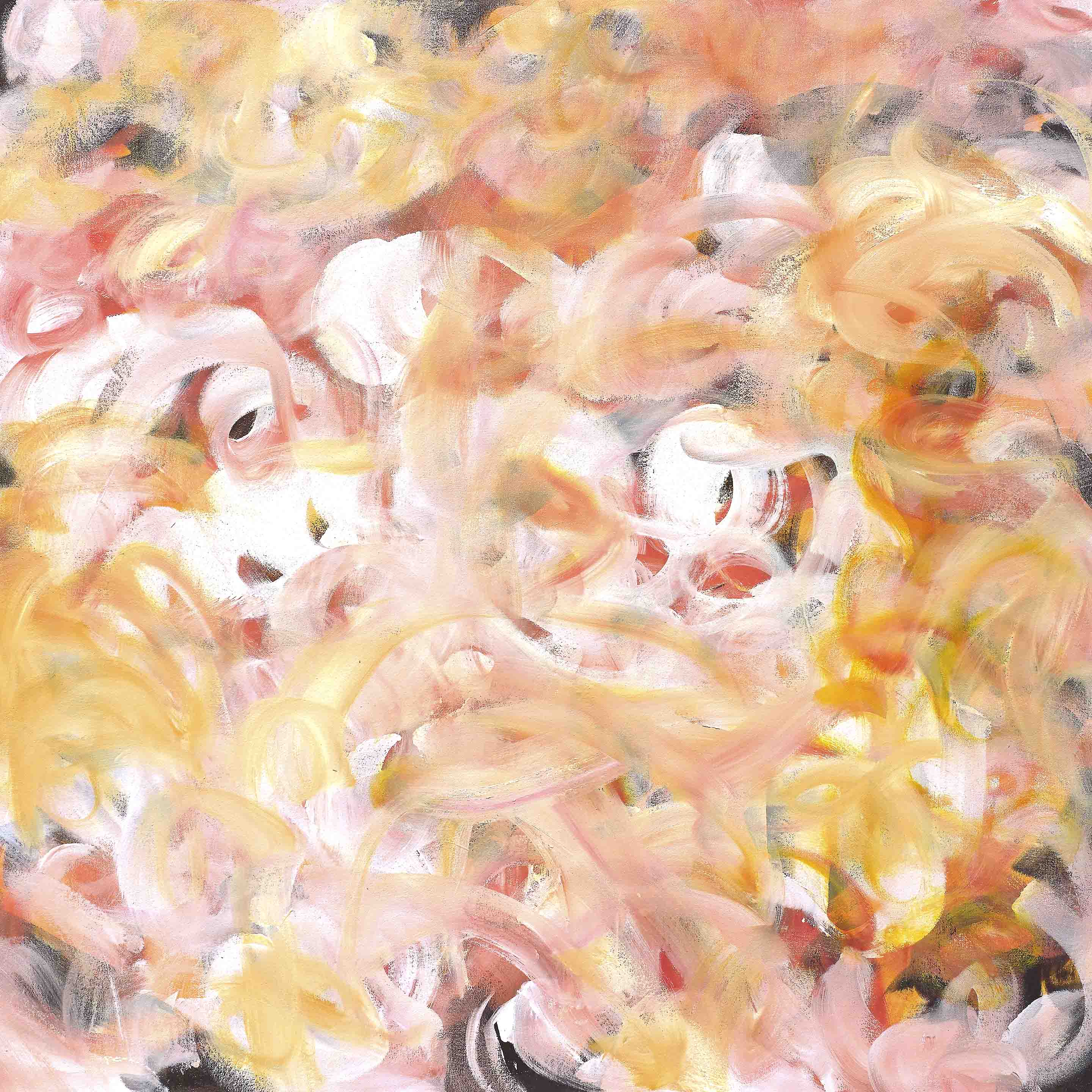
Art often defines the emotional depth of a room more than any other element. Through tone, texture, composition, and scale, artwork introduces complexity that evolves over time. A layered abstract may reveal different details throughout the day, while a darker tonal piece may ground the room emotionally.
Therefore, designers frequently use art to shape the rhythm of a space. Rather than treating artwork as decoration, they integrate it into the overall structure of the interior, allowing it to guide atmosphere and visual balance simultaneously.
Layering Without Excess
Rooms with depth rarely rely on clutter. Instead, they build richness through restraint. Texture replaces ornamentation, tonal variation replaces heavy contrast, and intentional placement replaces accumulation.
As a result, the room feels calm but not empty. Each object contributes to the overall atmosphere, creating a space that feels collected rather than crowded.
What Creates Depth in a Space
Several elements consistently contribute to layered, reflective interiors:
- Tonal palettes with subtle variation
- Reflective surfaces that interact with natural light
- Artwork that introduces atmosphere and visual rhythm
- Texture that creates movement without excess
- Negative space that allows the eye to rest
Together, these elements create interiors that feel immersive, balanced, and emotionally engaging.
For more inspiration, follow Bad Dog Editions on Instagram.
Share:
Low Light: Shadow, Depth, and Atmospheric Art
Fragments: Art Built Through Layers and Memory