


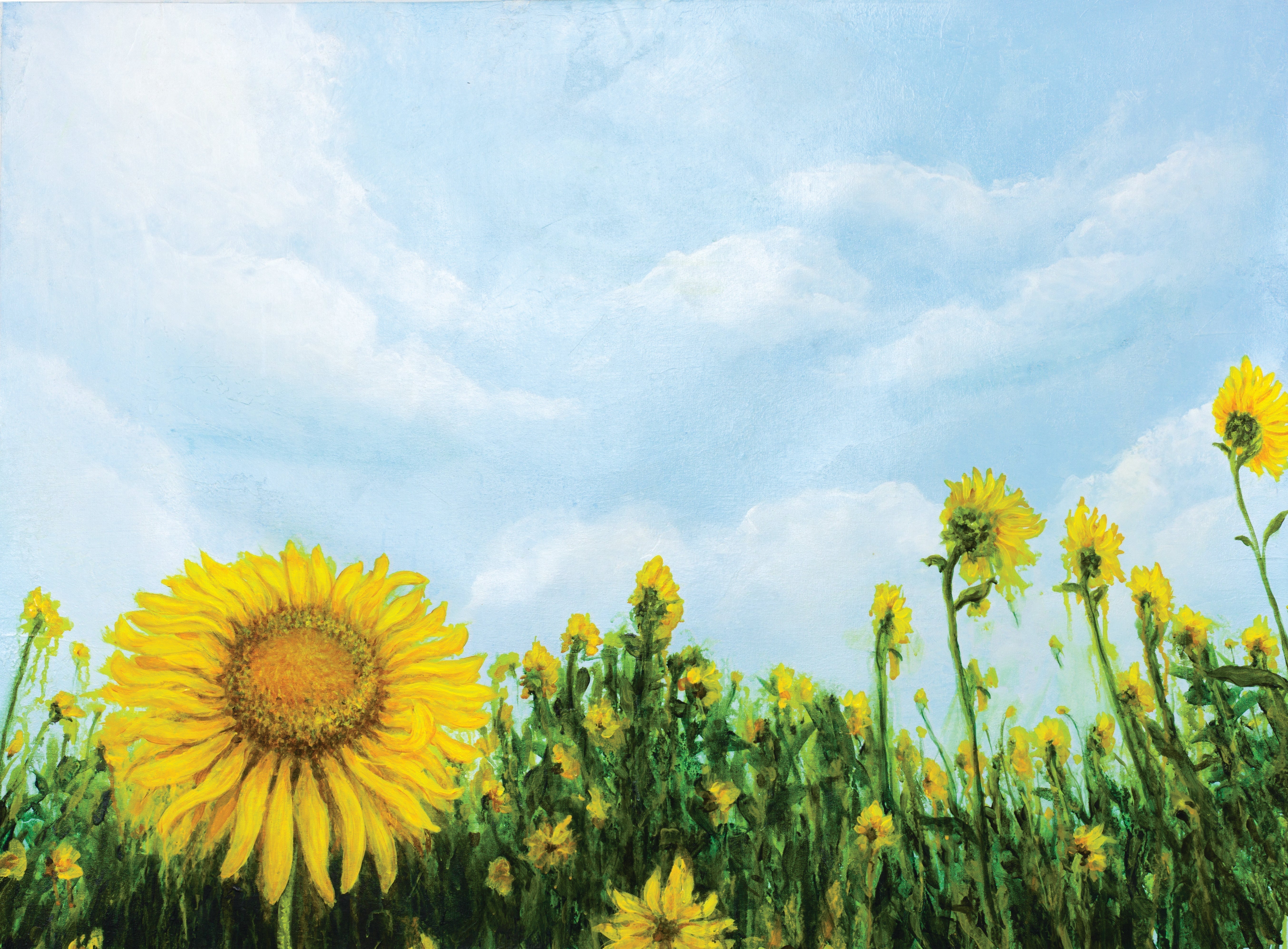
Floral Forms: Nature in Contemporary Art
Flowers have long held a place in art history, appearing in paintings, prints, and textiles across cultures and centuries. Yet in contemporary art, floral imagery has evolved beyond traditional still life. Today, artists reinterpret botanical forms through abstraction, bold color, and expressive composition. As a result, flowers become less about representation and more about emotion, movement, and atmosphere.
This collection explores the many ways floral elements appear in modern artwork. Some pieces embrace recognizable petals and stems, while others translate the essence of flowers through gesture, texture, or color. Together, they reveal how floral forms continue to inspire artists while adapting to contemporary visual language.
Nature Reimagined
Rather than depicting flowers with strict realism, many artists approach floral imagery as a starting point for experimentation. Shapes may stretch, colors may intensify, and compositions may drift toward abstraction. Consequently, the artwork captures the energy and vitality of nature rather than simply documenting it.
Through this approach, flowers become expressive elements within the composition. A bloom might dissolve into layers of color, while leaves might transform into sweeping brushstrokes. In this way, the natural world becomes a source of inspiration rather than a fixed subject.
Symbolism in Bloom
Flowers have always carried symbolic meaning. Across cultures, they represent growth, renewal, love, and transformation. Even in contemporary interpretations, these associations remain present. However, artists often reinterpret them through personal perspective, allowing each piece to communicate a unique emotional tone.
Because of this symbolism, floral art can introduce warmth and vitality into interiors. Whether subtle or vibrant, botanical imagery brings a sense of life into a space, reminding viewers of cycles of change and renewal.
Floral Art in Interiors
Floral artwork adapts easily to modern interiors because it balances organic energy with visual softness. While architectural lines and structured furniture create order within a room, floral compositions introduce movement and fluidity. Consequently, these pieces help soften a space while maintaining visual interest.
Additionally, the colors often found in floral art — soft pinks, rich reds, layered greens, and warm neutrals — integrate naturally into a wide range of interior palettes. As a result, floral works can act as both focal points and complementary accents within contemporary design.
Floral Art Collection Highlights
- Contemporary interpretations of flowers and botanical forms
- Expressive color palettes inspired by nature
- Compositions that blend realism with abstraction
- Artwork that introduces movement and organic energy into interiors
- Pieces that celebrate growth, renewal, and natural beauty
Floral imagery continues to evolve in contemporary art, bridging tradition and modern expression. By reimagining flowers through new forms, textures, and colors, artists transform familiar natural elements into fresh visual experiences. Ultimately, floral art reminds us that nature’s influence is timeless — constantly renewing itself while inspiring new ways of seeing.
For more inspiration, follow Bad Dog Editions on Instagram.


Share:
Living With Art: Beyond the First Impression
Atmosphere Before Aesthetics: Designing a Room That Feels Right