


Atmosphere Before Aesthetics: Designing a Room That Feels Right
When people think about interior design, they often focus on aesthetics first — colors, furniture, and decorative objects. However, the most compelling interiors begin somewhere deeper. Atmosphere before aesthetics; before a room becomes visually appealing, it must feel right. Atmosphere, therefore, becomes the foundation of design. It shapes how we experience a space long before we notice individual details.
Rather than asking what a room should look like, thoughtful design asks how it should feel. Should the environment be calm and reflective? Energizing and dynamic? Warm and intimate? Once this emotional direction is established, every design decision begins to support a cohesive atmosphere.
Designing for Emotion
Atmosphere before aesthetics emerges through the interaction of multiple elements. Light softens or sharpens the mood of a room. Materials add warmth, texture, and sensory depth. Color establishes emotional tone, guiding how people move through and respond to a space. When these elements align, a room feels intentional rather than assembled.
Importantly, atmosphere cannot be forced. Instead, it develops gradually through balanced decisions. Designers often think in terms of proportion and rhythm, ensuring that no single element overwhelms the rest. As a result, the environment feels harmonious and inviting.
The Role of Art in Atmosphere Before Aesthetics
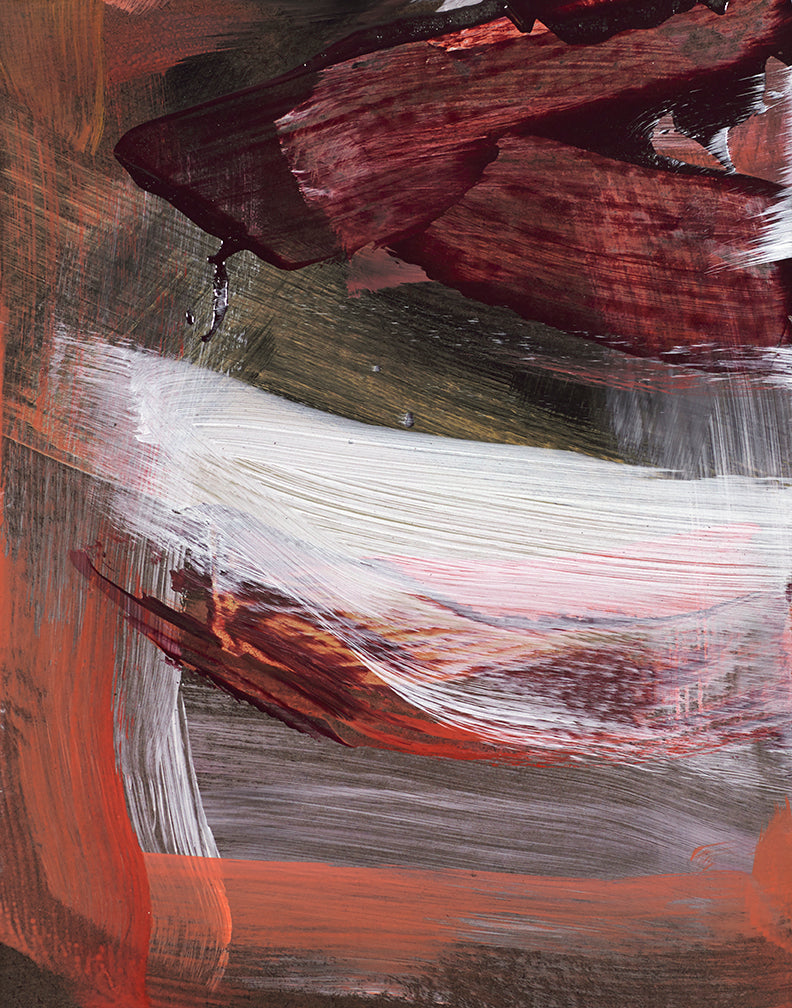
Art plays a significant role in shaping atmosphere because it carries emotional weight. Unlike purely functional objects, artwork introduces narrative and interpretation into a room. A single piece can soften a structured space, deepen a calm environment, or create contrast within a neutral palette.
Consequently, art often acts as the emotional anchor of an interior. It guides the mood of the room and subtly influences the surrounding design elements. When selected thoughtfully, artwork helps unify the environment while allowing individual pieces to retain their presence.
Atmosphere Over Decoration
Decorative elements may enhance a space, but atmosphere gives it meaning. Without atmosphere, interiors can feel polished yet impersonal. With it, even minimal rooms feel complete. This is why restraint often leads to stronger results. By allowing space to breathe, each object — especially artwork — gains greater impact.
Furthermore, designing for atmosphere encourages longevity. Instead of chasing trends, designers focus on qualities that endure: balance, calm, and emotional resonance.
Key Elements That Shape Atmosphere
Several factors consistently contribute to how a room feels:
- Light that shifts throughout the day and creates visual depth
- Color palettes that support emotional tone rather than compete for attention
- Materials and textures that add warmth and sensory interest
- Artwork that anchors the space and introduces narrative
- Negative space that allows the room to breathe
Together, these elements build interiors that feel cohesive, intentional, and lived in.
For more inspiration, follow Bad Dog Editions on Instagram.
Share:
Floral Forms: Nature in Contemporary Art
The Return of Color: Soft Palettes for Spring Interiors