


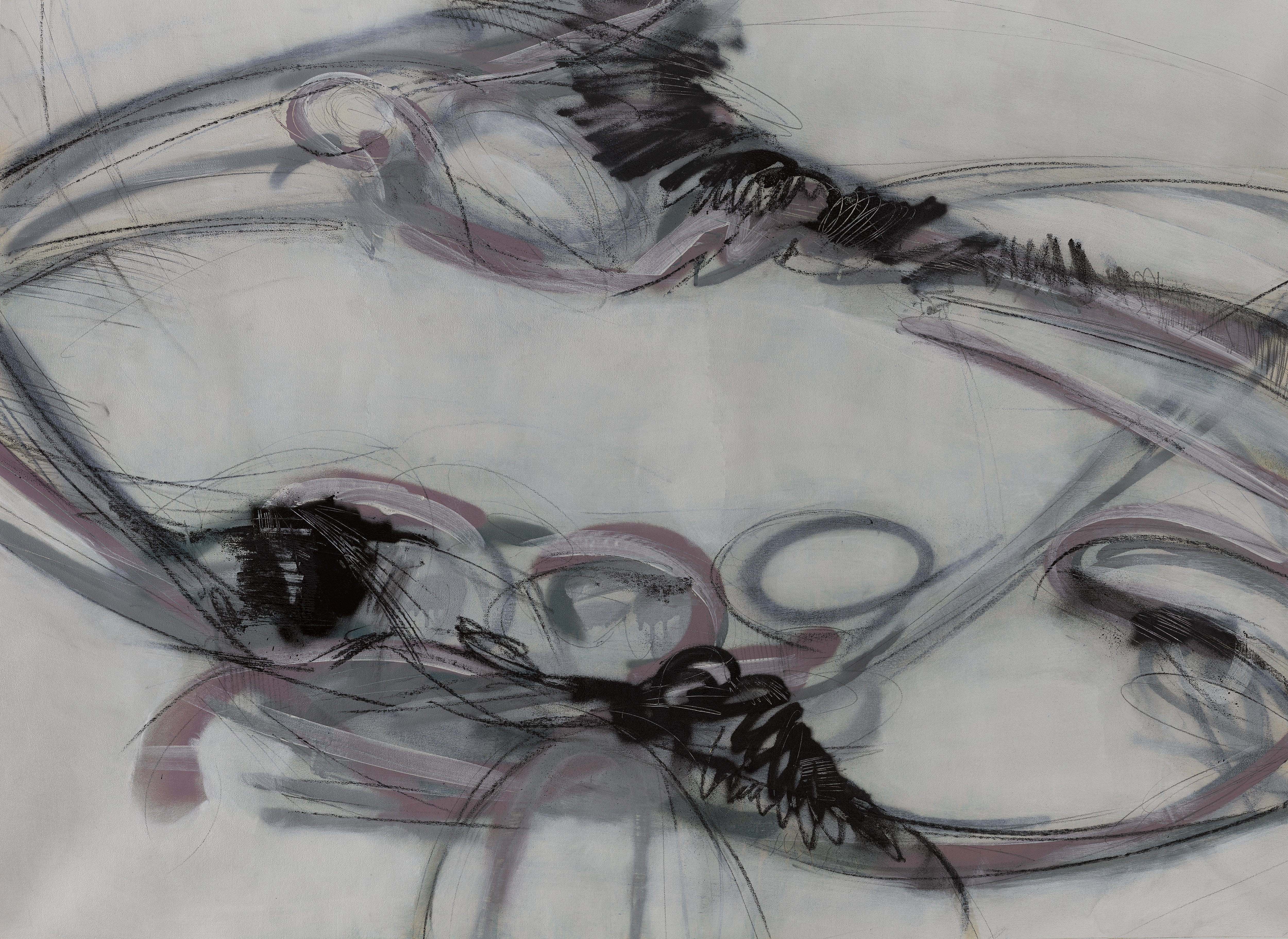
The Invisible Thread: How Art Connects Design Narratives
Every interior tells a story through texture, proportion, color, and light. Yet what often unites those elements is less visible: the artwork that ties it all together. The Invisible Thread explores how art functions as narrative architecture within design, connecting spaces, materials, and emotion. When placed intentionally, art doesn’t just decorate; it directs. It draws lines between rooms, moods, and memories, weaving cohesion into the built environment.
Visual Continuity Across Space
In great design, continuity is everything. Artworks can bridge transitions between rooms or zones, linking open-concept spaces through color, composition, or tone. For example, a series of abstract works in complementary palettes can create rhythm across a corridor, while a bold central piece anchors the flow. In this way, art becomes the connective tissue between design moments — subtle, but essential. Not sure where to start, follow us on instagram for inspiration.
Emotional Resonance and Memory
Beyond cohesion, art carries emotional weight. It’s what lingers after the visual impression fades. Through recurring motifs or shared materials, artwork can recall past spaces, echoing memory through form. In both residential and commercial interiors, these emotional threads foster continuity not only in sight but in feeling, a quiet sense of belonging that links the entire narrative together.
Art as Design Language
When art and design narratives speak the same language, the result is a dialogue rather than a hierarchy. An architectural line might find its echo in a minimalist print; a color field painting might mirror a fabric choice. These relationships don’t happen by accident. They’re intentional connections that strengthen the story of the space transforming the collection of design elements into a single, fluid idea. Check out our article on why art belongs early on in the design process.
How Art Unifies Design
- Establishes a cohesive visual identity across open spaces.
- Creates rhythm through repetition, scale, and proportion.
- Connects emotional tone between public and private rooms.
- Mirrors material palettes and architectural elements.
- Strengthens narrative continuity in the overall design concept.
Share:
In Their Image: A Study in Modern Portraiture
Soft Geometry: Structure in Stillness