


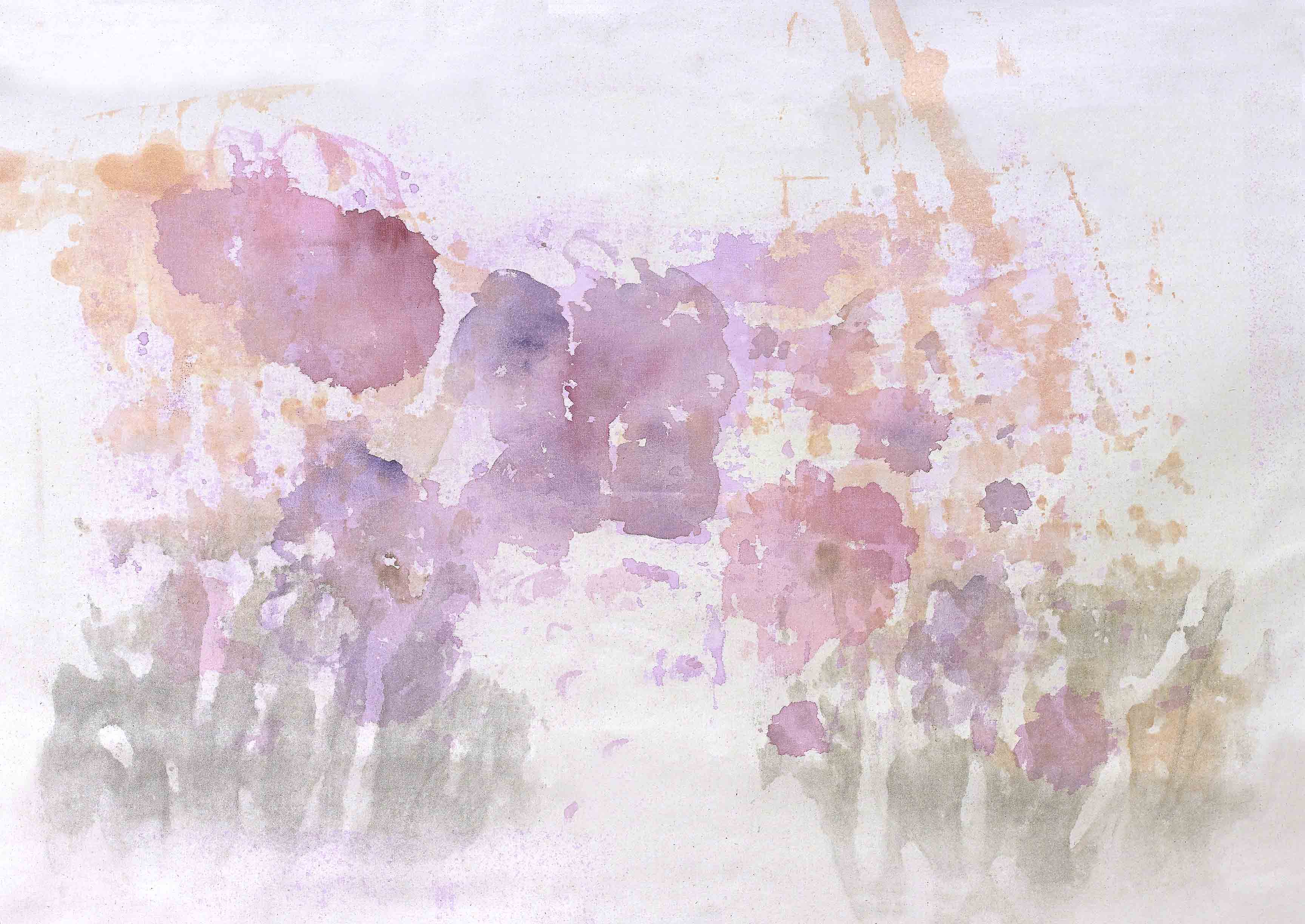
Love in Design: The Art of Emotional Connection
Love is rarely discussed in the language of design, yet it exists at the core of every meaningful space. Beyond aesthetics, beyond trends, and beyond visual perfection, interiors succeed when they create emotional connection. Whether through art, texture, color, or memory, love shapes how a room feels long before it defines how it looks. It is the invisible force that transforms a collection of objects into a place that feels lived in, personal, and deeply human.
Designing With Feeling
At its heart, love in design is about intention. Thoughtful interiors are not assembled randomly; instead, they are built through choices that reflect care and attention. Designers often speak about balance, proportion, and scale, but beneath these technical decisions lies something more emotional. Every piece selected for a space tells a story — not only about style, but about what matters to the people who inhabit it.
When design is guided by emotional connection rather than trend, rooms begin to feel authentic. They hold presence rather than performance, allowing occupants to feel grounded rather than overwhelmed. In this way, love becomes less about romantic symbolism and more about the act of creating spaces that support comfort, reflection, and belonging.
Art as an Expression of Love
Art plays a unique role in expressing love within interiors because it carries meaning beyond function. A chosen artwork often reflects personal taste, memory, or aspiration, turning walls into narratives rather than surfaces. Unlike decorative objects that simply fill space, art introduces emotion — sometimes subtle, sometimes powerful, but always deeply felt.
When art is selected with care, it becomes an anchor for the room. It guides mood, shapes atmosphere, and offers a point of connection between the viewer and the environment. Over time, these pieces gather emotional weight, becoming part of the daily rhythm of life within the space.
How Love Shows Up in Design
Love in interiors often reveals itself through small but meaningful decisions:
- Choosing artwork that holds personal significance rather than following trends
- Allowing space to breathe instead of filling every surface
- Selecting materials that age gracefully over time
- Designing for comfort and lived experience, not just appearance
- Creating rooms that invite connection, conversation, and pause
These gestures may seem subtle, yet together they shape environments that feel thoughtful and enduring.
Love as Longevity
Another form of love in design appears through longevity. Spaces created with patience and intention tend to endure, evolving slowly instead of constantly changing to match fleeting trends. Loving a space means allowing it to grow organically, layering meaning through time rather than chasing instant perfection.
This slower approach encourages sustainability — not only environmentally, but emotionally. Instead of discarding and replacing, people learn to live with their environments, deepening their relationship with the objects and art that surround them.
For more inspiration, follow Bad Dog Editions on Instagram.


Share:
Slow Design: The Return to Thoughtful Interiors
Living With Art: Beyond the First Impression