


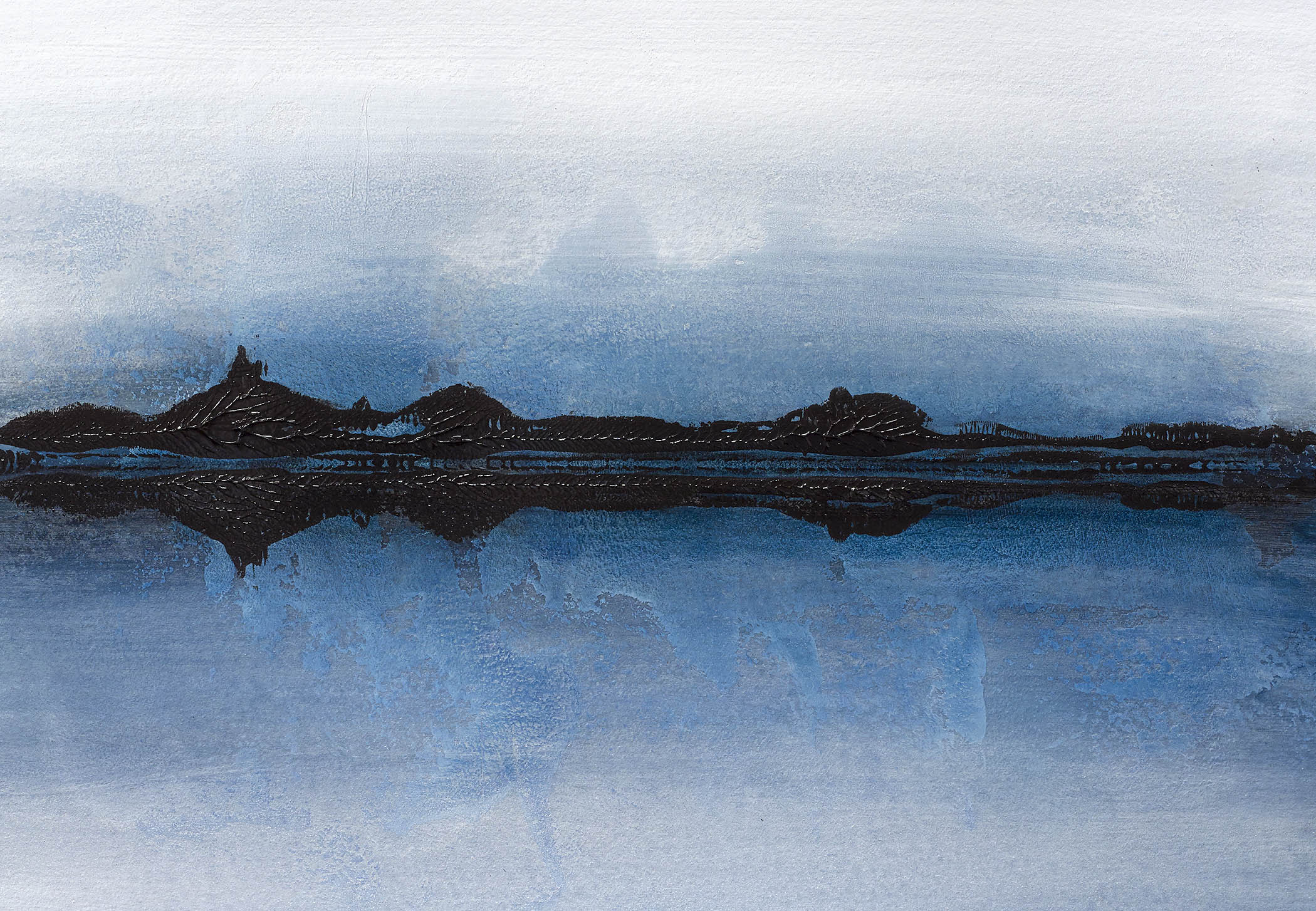
Beyond the Frame: The Work of Art in Interiors
In this edition of Unleashed, we explore the emotional work of art in interiors: how color, texture, and form reach beyond the frame to influence mood, memory, and meaning.
Art isn’t just something we hang; it’s something we feel. In fact, art in place can often evoke emotion and even elevate an interior from good to great. Unfortunately, it is becoming more common for clients not to see the importance of having the right artwork in their space. Even worse, the designer may not recognize it either. As a result, the absence of carefully chosen pieces leaves interiors incomplete. Ultimately, art is incredibly important for every interior, and once you see it done right, you can never look back.
Art as Atmosphere
Every room tells a story, and art is often the first chapter. For instance, a soft abstract can calm a space, while a vibrant, graphic piece can energize it. In this way, designers know that the emotional work of art in interiors lies in its ability to shift the entire tone of a room. Ultimately, art isn’t background but the catalyst for atmosphere.
| Soft Abstract | Vibrant & Graphic |
|
|
|


.
The Language of Color
Colors aren’t just aesthetic; they are psychological. For example, deep blues suggest serenity, while fiery reds create energy. Therefore, choosing artwork isn’t simply about matching tones to furniture; it’s about curating the emotional vocabulary of the room. In the end, this is how art quietly shapes the way we live within a space.
| Deep Blues | Fiery Reds |
|
|
|


Texture and Tactility
Smooth, glossy finishes reflect light and create movement, whereas rough, layered surfaces slow the eye and add depth. As a result, texture does emotional work by making a space feel more grounded, lived-in, or dynamic. In contemporary interiors, where materiality matters, artwork often mirrors or contrasts the tactile qualities of the room itself.
| Glossy Finish | Rough, Layered Surface |
|
|
|


.
Memory and Storytelling
Art resonates because it connects to memory, both personal and collective. For instance, a cityscape can remind someone of travel, while abstract gestures may spark associations to nature, history, or ritual. In turn, this emotional connection adds dimension; a room becomes not just a design, but a lived narrative.
| Cityscape | Abstract Gesture |
|
|
|


.
Themes Explored
- How art creates mood and atmosphere
- The impact of color and tone
- Texture and surface as emotional tools
- Art as memory and storytelling
In the end, the emotional work of art in interiors is what makes a space memorable. It invites reflection, sparks dialogue, and creates resonance that lives well beyond the walls. To design with art is to design with emotion.
Share:
Ripe for the Wall: From Orchard to Interior
The Women of Bad Dog: A Visual Anthology